🥣 Of Iron & Oatmeal
Michael Allen Rose
as witnessed in the viral video “Fat man pushes old woman for free donut,” viewed over six million times on YouTube

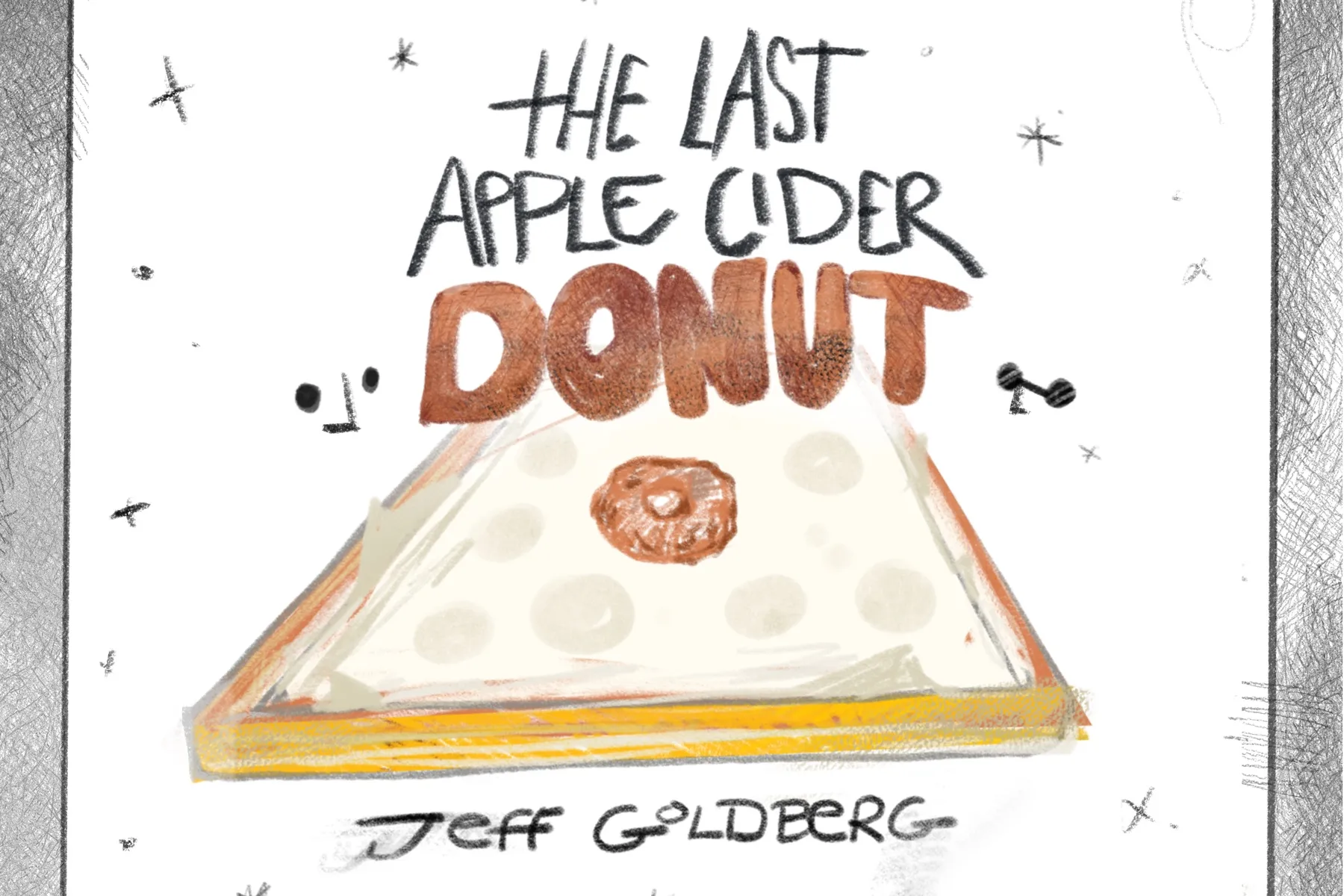
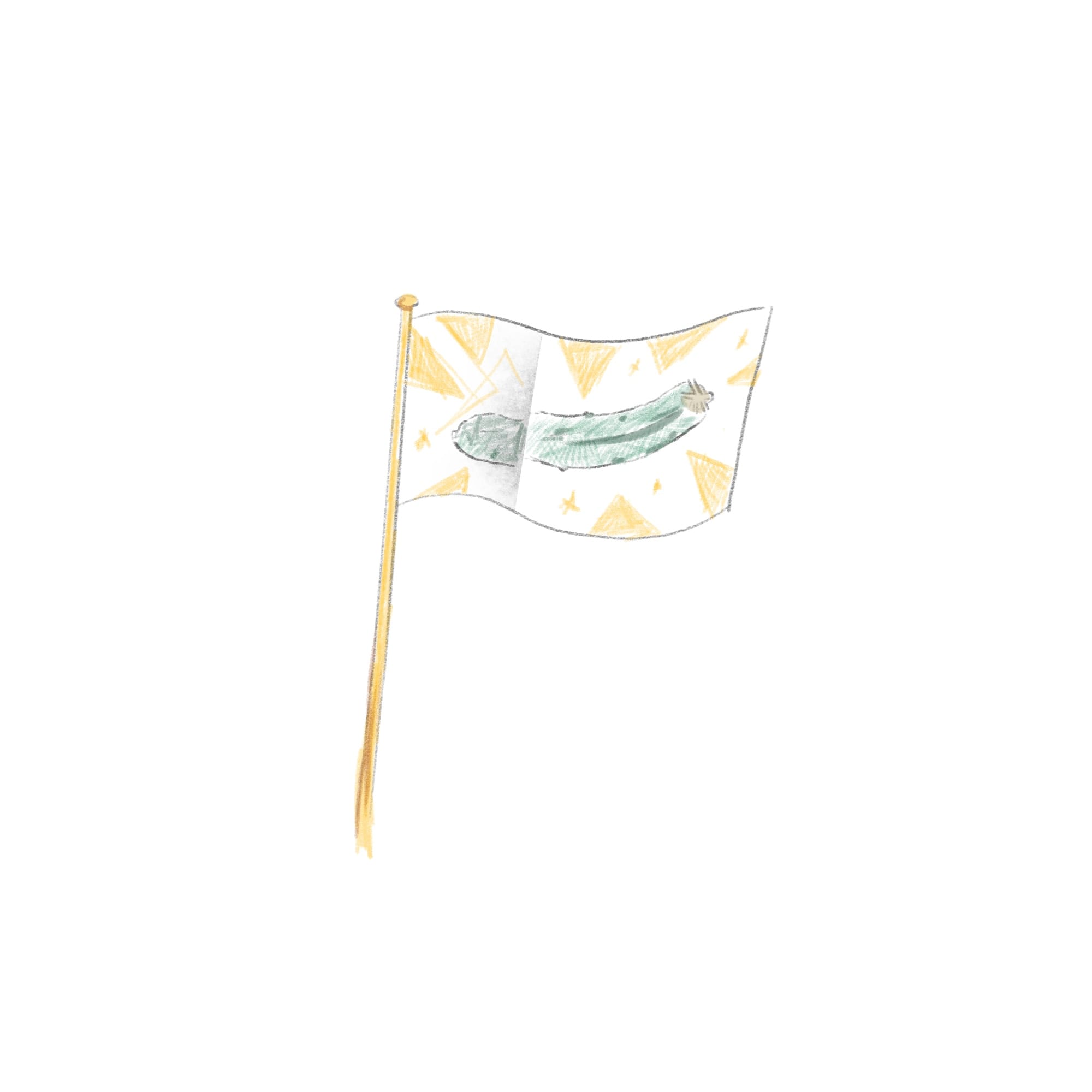
Ted Braxhoven waited patiently for a free apple cider donut from Mae’s Apple Cider Donut Stand. He had been in line for nearly fifteen minutes now. Why the town’s annual Zucchini Festival featured cider donuts so heavily, he didn’t know. None of the other stands offered zucchini options either—possibly because no one wanted to eat zucchini-themed concoctions on a summer afternoon.
The old woman used her senior status to cut the line four times. (Four!) She hobbled up front, said something to the clustered people—unintelligible from Ted’s position—and everyone smiled and indulged her. Naturally, no one demanded this frail old woman stand in the sun. Ted agreed! He wasn’t a monster! He’d have granted the same magnanimous concession the first and maybe even the second time she made her slow, Odyssean journey to the confectioner’s table.
But the third time? The fourth? Each trip she took two (two!) donuts back to her shaded bench—moving, he thought, more nimbly on the return voyage—where her large flowered bag sat holding her place. She ate her fried dough, greedily licking cinnamon sugar off her fingers in what Ted considered an unnecessarily suggestive manner. On her fourth excursion, her gluttony momentarily sated, she wrapped the donuts in a napkin and tucked them into her bag.
After what might have been twenty or thirty minutes, Ted reached the front. The middle-aged woman staffing the table (possibly Mae, but more likely hired help) announced they’d exhausted their supply and would close up after this next patron. That was Ted! The dwindling collection of people who were not him groaned. The final donut would suffer for its positioning: a little colder, a little staler, perhaps soggy from its prolonged display on this humid late afternoon. But, conversely—as a reward for his patience—all the sweeter.
He nodded beneficently to those around him, filled with empathy for the poor souls denied their chance to try one of Mae’s world-renowned pastries. How he deeply understood—and in other circumstances could have easily shared—their plight.
Then he saw her: the old lady hobbling past the dispersing and disappointed crowd, one claw-like hand outstretched. Her gaze locked on the tray; the lone donut surrounded by a grid of ghostly oil rings. He knew she had two (two!) reserves stashed in her granny bag. Why come for that which was rightfully his?
He lunged, breaking protocol and grabbing for the donut before the worker could lift it with wax paper. At the same instant, sensing her competition, the old woman lurched forward, hand grasping. Her frail frame struck his shoulder.
Down she went—the now-infamous tumble.
A few people screamed. A wild overreaction, Ted thought, to an old woman—mostly performatively, he also thought—tripping. He, of course, immediately tried to help her, but she yelled. Yelled! Told him to get away! As if he intended her harm. He staggered back, realizing what people meant when they said words constitute violence.
The whole situation proved ridiculous. An accident, nothing more. If anything, he was the wronged party. Yes, he’d angled his shoulder to block her covetous advance, but he couldn’t have anticipated that sudden leap. Such quickness belied the theatrical infirmity she’d leveraged to claim her eight (eight!) donuts.
Of course someone caught it on video—not her four previous trips, not the broader context, just the collision and fall—from an angle that suggested intention. Now people from around the world review-bombed his solo-practitioner accounting firm, a company he’d built over decades, a solid reputation for managing the books of half the village. They called him a geriatric abuser, a lady-pusher. Clients fled to Stan Gluckner two towns over.
He did not get his free donut.
According to one unverified Yelp review:
Ted Braxhoven, CPA, loves pushing old women. That fat bastard has an insatiable desire for donuts. He filed my taxes incorrectly and now I owe the government several million dollars.
Is this how time reduces us? To our worst possible moment? How do we calculate the sum of our actions when most fade away, meaningless and forgettable, a story averaged into work and sleep? Are we forever judged by the one instance we—theoretically—pushed an old lady to the ground while trying to get a free donut?
Ted did not think of himself as fat. That was mostly camera angle.